

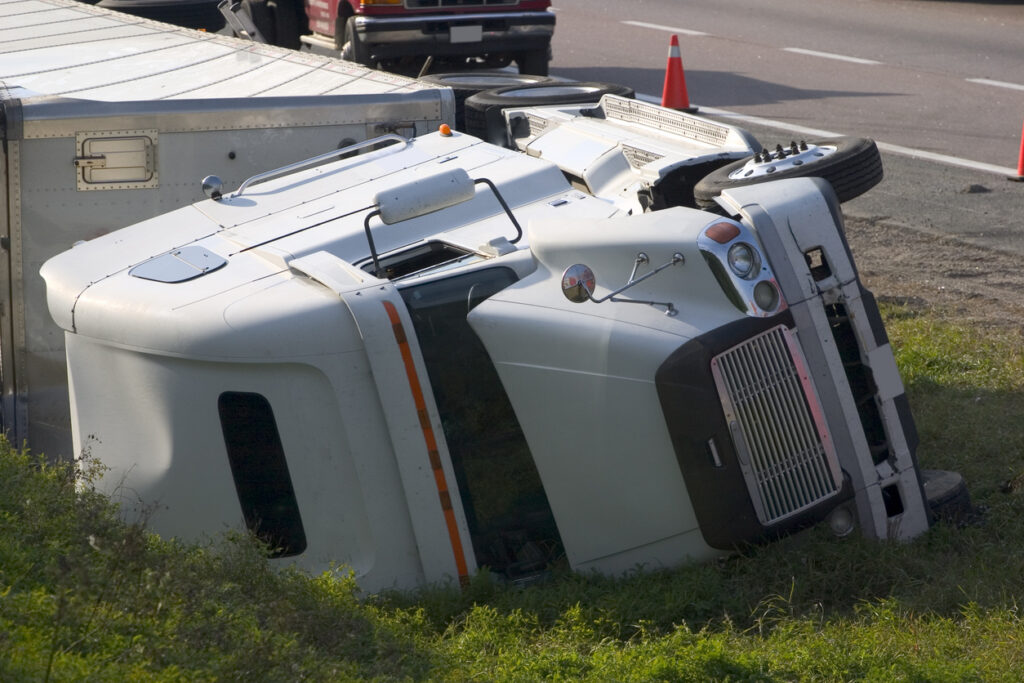
A collision with a tractor-trailer can leave an injured person facing a very different claim from an ordinary passenger-vehicle crash. The big rig’s size can increase injury severity, while trucking companies can add layers of records, insurance, and dispersed responsibility for the crash. A North Carolina truck accident lawyer can help identify what evidence to preserve and which parties may be liable.
The Law Office of Daniel R. Duello represents injured people throughout Western North Carolina and elsewhere in the state. We provide direct access to Daniel R. Duello rather than a call-center-style process.
To set up a free consultation with a truck accident lawyer near you, contact our law firm today. We’re here in the mountains, and we’re here for you.
Dedicated Advocacy for Commercial Truck Collisions in NC
Large trucks regularly travel routes such as U.S. 19, U.S. 129, I-40, and other highways connecting mountain communities with larger commercial corridors. When a tractor-trailer leaves its lane, fails to stop, or strikes a smaller vehicle, the resulting injuries can be severe.
The investigation usually needs to look beyond the impact itself. A commercial vehicle may be owned by one company, operated by another, maintained by an outside vendor, and carrying freight loaded by a separate business. The driver’s employment or contractor status may also affect which records exist and who controlled the work.
That is why commercial truck crash liability in North Carolina cases often requires a broader investigation than a routine passenger vehicle crash.
Severe Injuries Can Change the Direction of the Claim
A person injured in a semi-truck wreck may require emergency surgery, rehabilitation, specialist treatment, or extended time away from work. Some people face permanent limitations affecting mobility or earning capacity.
The claim should not be valued only by the first round of medical bills. Treatment can continue for months, and the long-term effect of an injury may not be clear immediately.
Investigating Trucking Company Violations and Black Box Data
Commercial trucking generates records that may not exist in an ordinary car wreck case. Depending on the carrier and vehicle, useful material can include electronic logging device records, dispatch information, maintenance files, inspection reports, driver qualification materials, fuel receipts, and company communications.
Many drivers required to keep duty-status records use electronic logging devices. Federal rules require carriers to keep ELD duty-status records and supporting documents for a limited period. That makes early preservation important even when the lawsuit deadline is much farther away.
A North Carolina truck accident lawyer can identify which categories of records fit the particular crash instead of making an unfocused request for every document associated with the company.
Vehicle Data May Answer Different Questions
The phrase “black box” is often used broadly after a truck crash. In practice, a commercial vehicle may contain electronic systems that record different information. Engine or event data may help show speed, braking, throttle position, or other activity, depending on the equipment and what was captured.
Your trucking accident attorney must request that information before repair, resale, or routine data cycling makes recovery more difficult. A written preservation notice can identify the material to retain and alert the recipient that it may become relevant to a claim.
Determining Liability in Complex Multi-Party Trucking Claims
The truck driver may be the most visible person involved, but responsibility does not always stop there. The investigation should ask who controlled the work, who maintained the equipment, who handled the freight, and whether a defective component contributed to the incident.
Potentially responsible parties can include:
- The commercial truck driver
- The trucking company or employer
- A separate owner of the tractor or trailer
- A maintenance or repair contractor
- A cargo-loading company
- A manufacturer of a defective truck or component
Not every 18-wheeler case involves all of these parties. Each potential defendant should be tied to actual evidence, not added simply because the company appeared somewhere in the shipping process.
Commercial Truck Crash Liability in NC Claims Depend on Control and Conduct
Company records may show who assigned the route, controlled scheduling, or handled maintenance. Cargo documents can identify who loaded or secured the freight. Repair invoices may show whether a known mechanical issue was addressed.
This is one reason commercial truck crash liability can become document-heavy. The real question is whether a particular act or failure contributed to the collision.
North Carolina Fault Rules Can Become a Major Issue
North Carolina law follows contributory negligence in ordinary negligence cases. An injured person whose own lack of reasonable care helped cause the crash can be barred from recovering damages.
Trucking insurers may argue that the injured motorist changed lanes improperly, followed too closely, failed to react, or otherwise contributed to the wreck. Those claims should be tested against the available evidence.
Vehicle positions, roadway markings, photographs, witness accounts, electronic data, and trucking records may tell a different story. A local truck accident lawyer serving North Carolina can review the sequence before an insurer’s allegation of shared fault becomes the accepted version of events.
Recovering Full Compensation for Catastrophic Trucking Injuries
An 18-wheeler injury claim may involve immediate costs and losses that continue well into the future. Severe crashes can cause traumatic brain injuries, spinal cord damage, amputations, complex fractures, or permanent functional limitations.
Economic and Non-Economic Losses in a Crash
Economic losses may include ambulance transport, hospital care, surgery, rehabilitation, medication, medical equipment, and future treatment. Lost earnings can include time already missed and reduced future earning capacity when the injury changes the work a person can perform.
Non-economic damages may address pain, physical limitations, loss of normal activities, and other personal effects supported by the medical and factual record.
Long-Term Needs Should Be Documented Before Settlement
A serious injury can create expenses that are not obvious during the first weeks after the crash. Future therapy, home assistance, mobility equipment, additional procedures, or transportation changes may become necessary later.
A commercial trucking injury claim in North Carolina should account for documented future needs before a final settlement is signed. Once a claim is fully resolved, later medical developments generally do not reopen the agreement.
Standing Up to Big Commercial Insurance Carriers
Truck claims can involve substantial liability coverage and insurers that begin investigating major losses quickly. A carrier may send investigators to the scene, obtain statements, inspect the vehicles, and begin developing defenses soon after the collision.
Recorded statements, broad medical authorizations, and early settlement proposals can all affect how the claim develops. We organize the evidence before entering serious negotiations. That can include medical documentation, wage records, vehicle evidence, witness information, insurance coverage, and trucking-company records bearing on fault.
Corporate Defense Resources Do Not Replace the Evidence
Large carriers and insurers may have established defense teams, but a claim’s strength still depends on what the evidence shows. A polished defense presentation does not change vehicle data, maintenance history, or a witness’s account.
Attorney Daniel R. Duello brings a substantial civil-litigation background to these disputes. Before founding this firm, he was a partner at a Florida law firm with more than 400 attorneys. His career has included civil matters ranging from relatively modest disputes to cases valued at up to $100 million. He also holds an AV Preeminent peer rating from Martindale-Hubbell for legal ability and ethics.
Reasons to Turn to the Law Office of Daniel R. Duello
Our firm serves clients across the North Georgia mountains and Western North Carolina, including Murphy, Hayesville, and Robbinsville. Clients have direct access to Daniel R. Duello and receive case-specific guidance, not a standardized process.
The firm offers free case reviews. We also represent clients on a contingency-fee basis, meaning you will not pay any attorney fees upfront. You only pay if we win for you.
Contact a North Carolina Truck Accident Lawyer Near You
A North Carolina trucking accident lawyer should be able to explain what evidence matters, where the weaknesses may be, and how insurance issues affect the practical value of the case. The Law Office of Daniel R. Duello offers that and more. For a free consultation, contact our law firm online.
Frequently Asked Questions About NC Trucking Accidents
Why are truck accident cases more complex than standard car crashes?
Commercial trucking can involve federal safety requirements, company operating records, multiple insurance policies, and several businesses connected to the same vehicle or shipment. The investigation may also require ELD records, maintenance files, driver qualification information, and electronic vehicle data that are not usually present in an ordinary passenger-car case.
How quickly should I contact an attorney after an 18-wheeler wreck?
The safest approach is to seek legal advice promptly after you address urgent medical needs. Some trucking records have limited retention periods, and electronic or physical evidence can change before the civil filing deadline approaches.
Who can be held liable for my commercial truck collision injuries?
Responsibility depends on what caused the crash and who controlled the relevant activity. The driver, motor carrier, maintenance provider, cargo-loading company, equipment owner, or manufacturer may become relevant when evidence connects that party’s conduct to the collision.